

No products in the cart.
Exploring the psychology behind high-stakes casino gambling
The Allure of Risk: Why People Gamble
The thrill of high-stakes gambling often lies in the inherent risk involved. For many, the prospect of winning big against the odds creates a rush of adrenaline that is hard to replicate, and you can find valuable insights here into how this excitement, fueled by the fear of loss and the potential for significant gain, taps into deep psychological triggers. Gamblers may find themselves drawn to the unpredictable nature of games, where each roll of the dice or turn of a card can lead to dramatic changes in fortune.
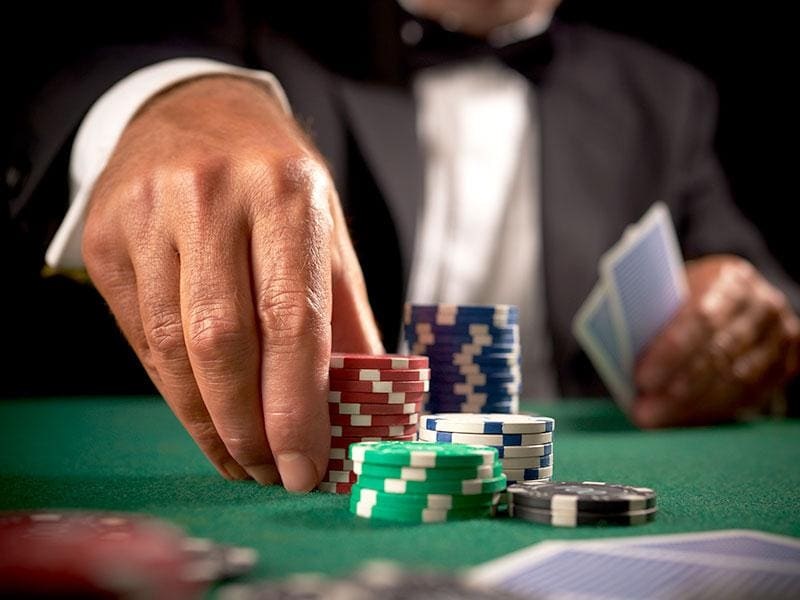
This high-stakes environment allows players to escape from reality temporarily, immersing themselves in a world where anything is possible. The lure of high rewards can lead individuals to place themselves in risky situations, often leading to behaviors driven by the thrill of winning rather than pragmatic considerations. This escapism is a crucial element that keeps players returning, as the hope for a life-changing payout can overshadow the risks involved.
The Role of Cognitive Bias in Gambling
Cognitive biases significantly influence gambling behavior by skewing the way players interpret outcomes. One common bias is the illusion of control, where individuals believe they can influence results based on personal skill or strategy, even in games that are entirely luck-based. This misconception can lead to overconfidence, making players feel invincible and prompting them to place larger bets than they normally would. Unknown factors can play an unexpected role here, often affecting a player’s willingness to engage further.
Another notable cognitive bias is the gambler’s fallacy, where individuals mistakenly believe that past events can influence future outcomes. For example, if a player has experienced several losses in a row, they may assume that a win is “due” to occur, leading them to gamble more heavily. Such biases not only affect decision-making but can also lead to compulsive gambling behaviors as individuals attempt to chase losses or justify their actions.
The Emotional Rollercoaster of Gambling
The emotional journey of a gambler can be intense and fluctuating, characterized by moments of hope, excitement, despair, and elation. High-stakes gambling elicits strong emotional reactions, not only linked to financial outcomes but also tied to social interactions and personal identity. Winning can create a euphoric feeling that reinforces positive behavior, while a loss may lead to feelings of shame or regret.
Additionally, the social aspect of gambling in casinos contributes to this emotional rollercoaster. Many gamblers enjoy the camaraderie that comes from sharing wins and losses with others, which can further amplify emotions. As players engage with their peers, the highs of victory can be celebrated collectively, while losses can lead to a sense of shared solidarity, making the experience more impactful and memorable.
Addiction and Compulsive Gambling
For some, the thrill of high-stakes gambling can develop into a serious addiction, with psychological implications that can affect all aspects of life. Compulsive gamblers often struggle with controlling their urges, leading to significant financial and emotional distress. This addiction stems from the brain’s reward system, where the brain releases dopamine—a neurotransmitter associated with pleasure—during gambling activities. This biochemical response can create a cycle of dependency, where the chase for more significant thrills perpetuates the gambling behavior.
Recognizing the signs of gambling addiction is essential for both individuals and their loved ones. Treatment options, including therapy and support groups, offer pathways to recovery, but the stigma surrounding gambling addiction can make it difficult for individuals to seek help. Education on the psychological aspects of gambling, combined with accessible resources, is crucial in addressing and mitigating the impacts of this issue.

Understanding Our Website and Resources
Our website aims to shed light on the complex psychological dynamics behind high-stakes casino gambling. By exploring the motivations, emotions, and cognitive biases that influence gambling behavior, we provide valuable insights for both gamblers and their families. Understanding these elements can foster a healthier approach to gambling, ensuring that individuals remain aware of the risks while enjoying the entertainment it can offer.
We encourage visitors to engage with our content for a deeper understanding of gambling psychology. Whether you are a casual player or someone looking to support a loved one, our resources are designed to educate and empower. As you navigate the world of gambling, let informed knowledge guide your experiences, helping to create a balanced relationship with this thrilling yet challenging activity.